Planting Gardens with Year-Round Interest
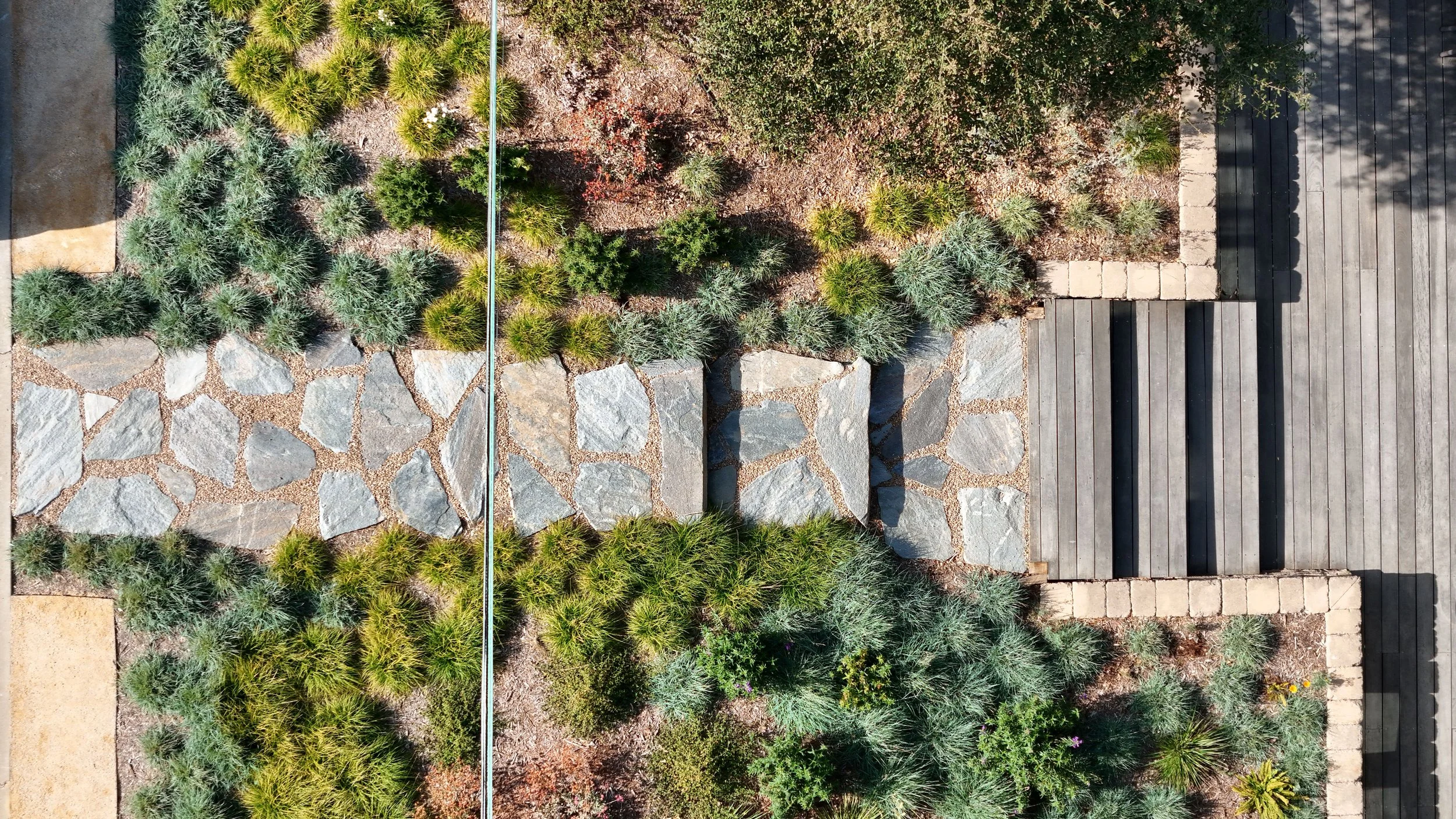
Gardens should not stand still.
They move, they grow, and they need help to reach their full potential. As designers, we hope to capture as many beautiful facets as possible through the selection and placement of our plant choices, but how do we do that?
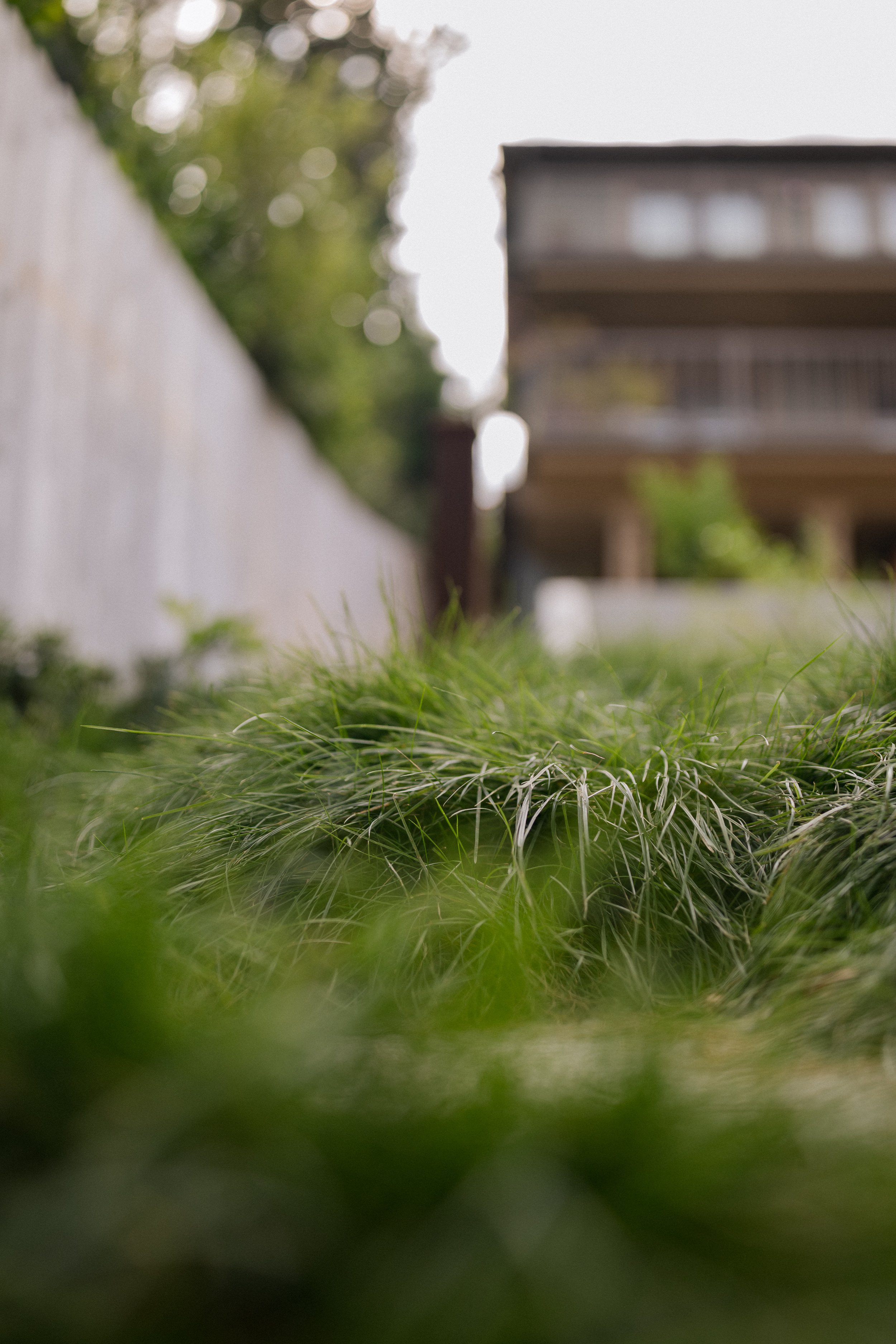
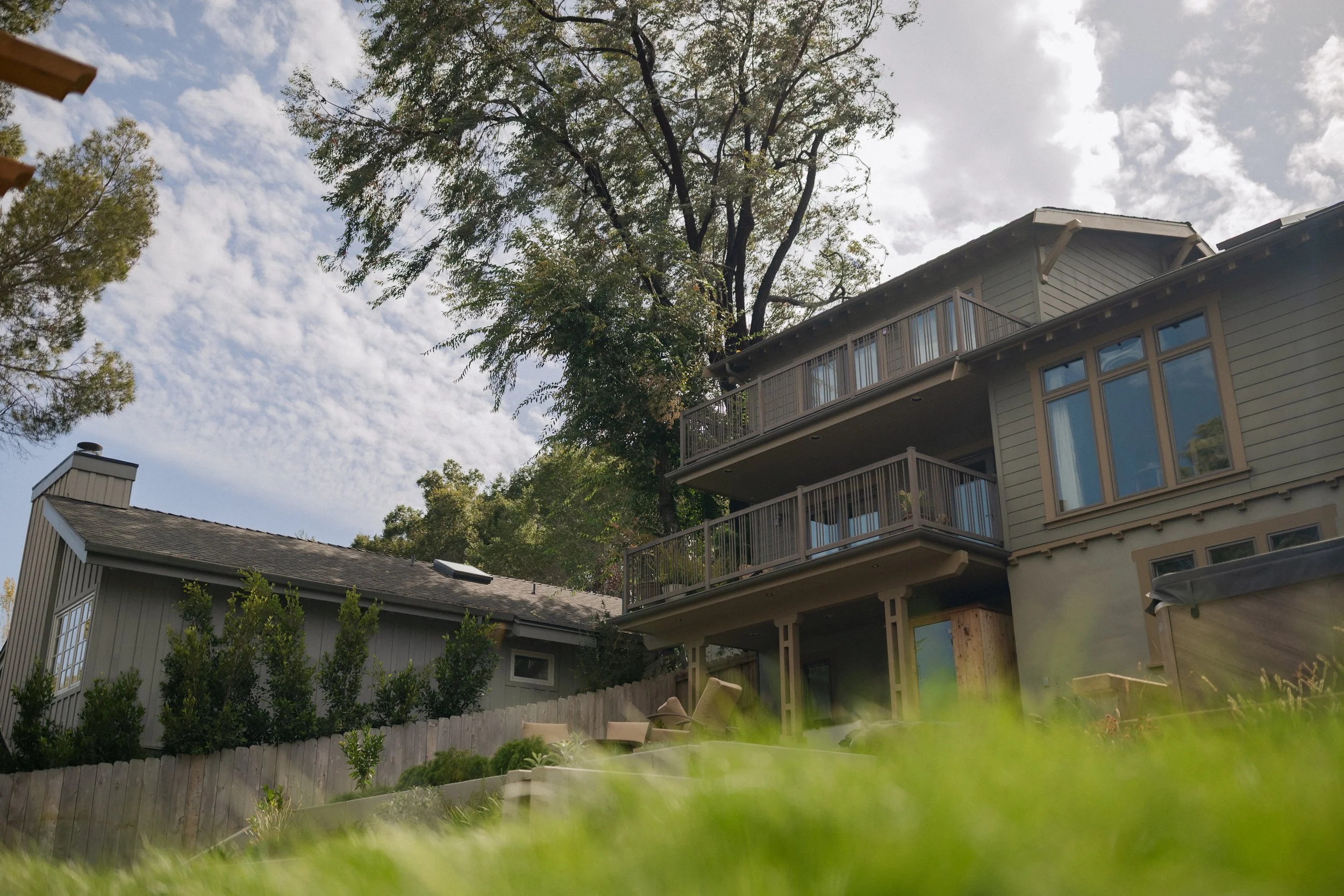
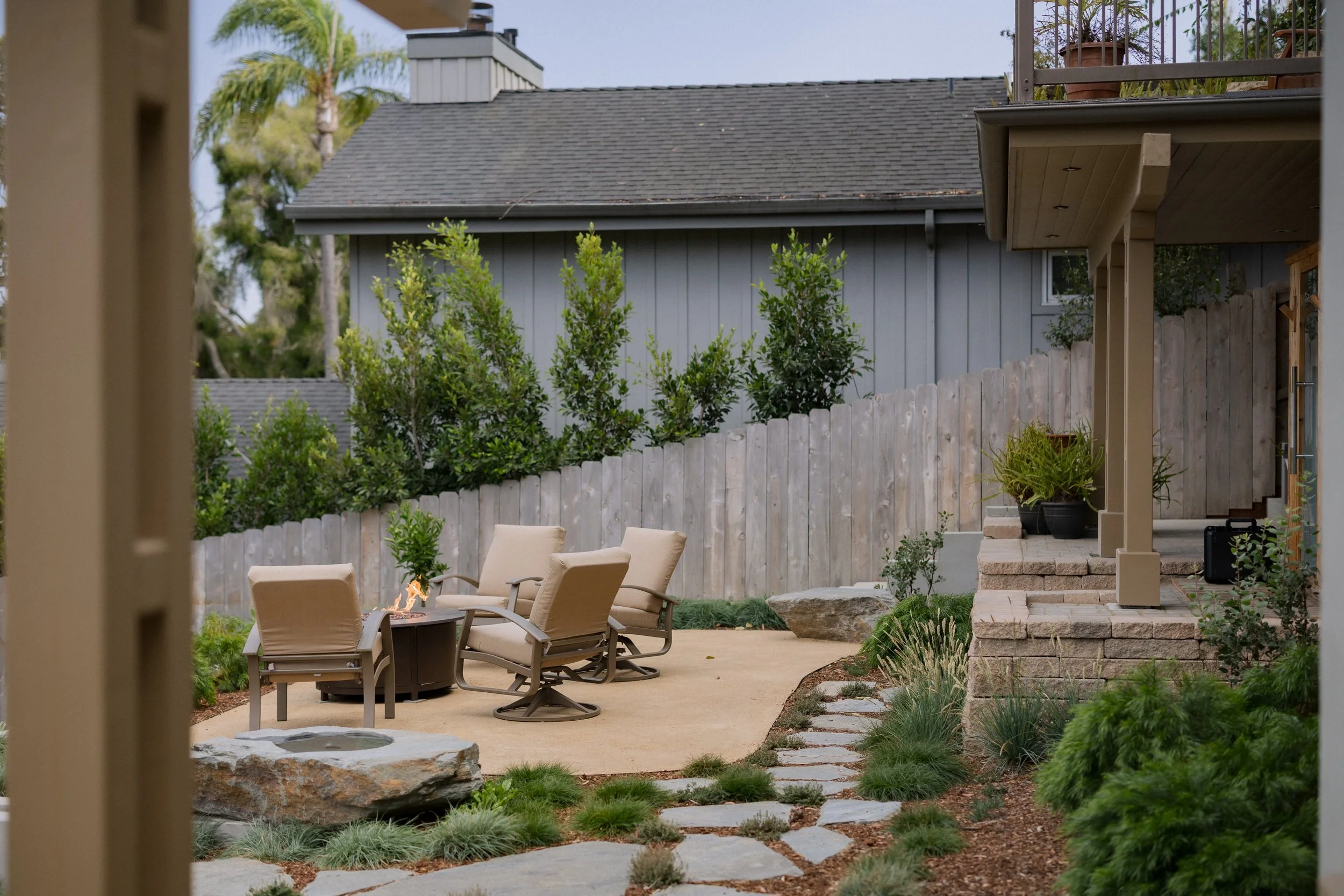
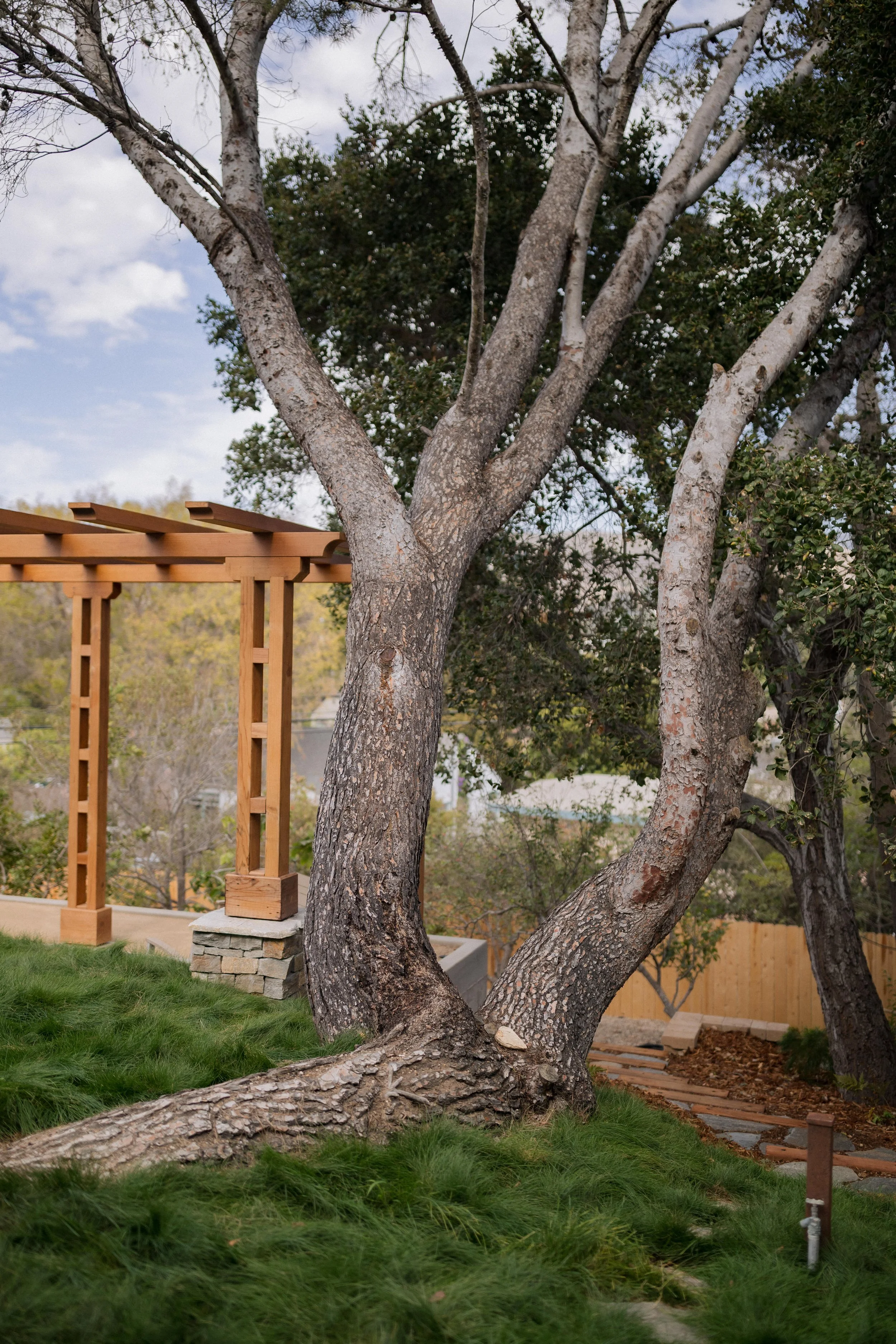
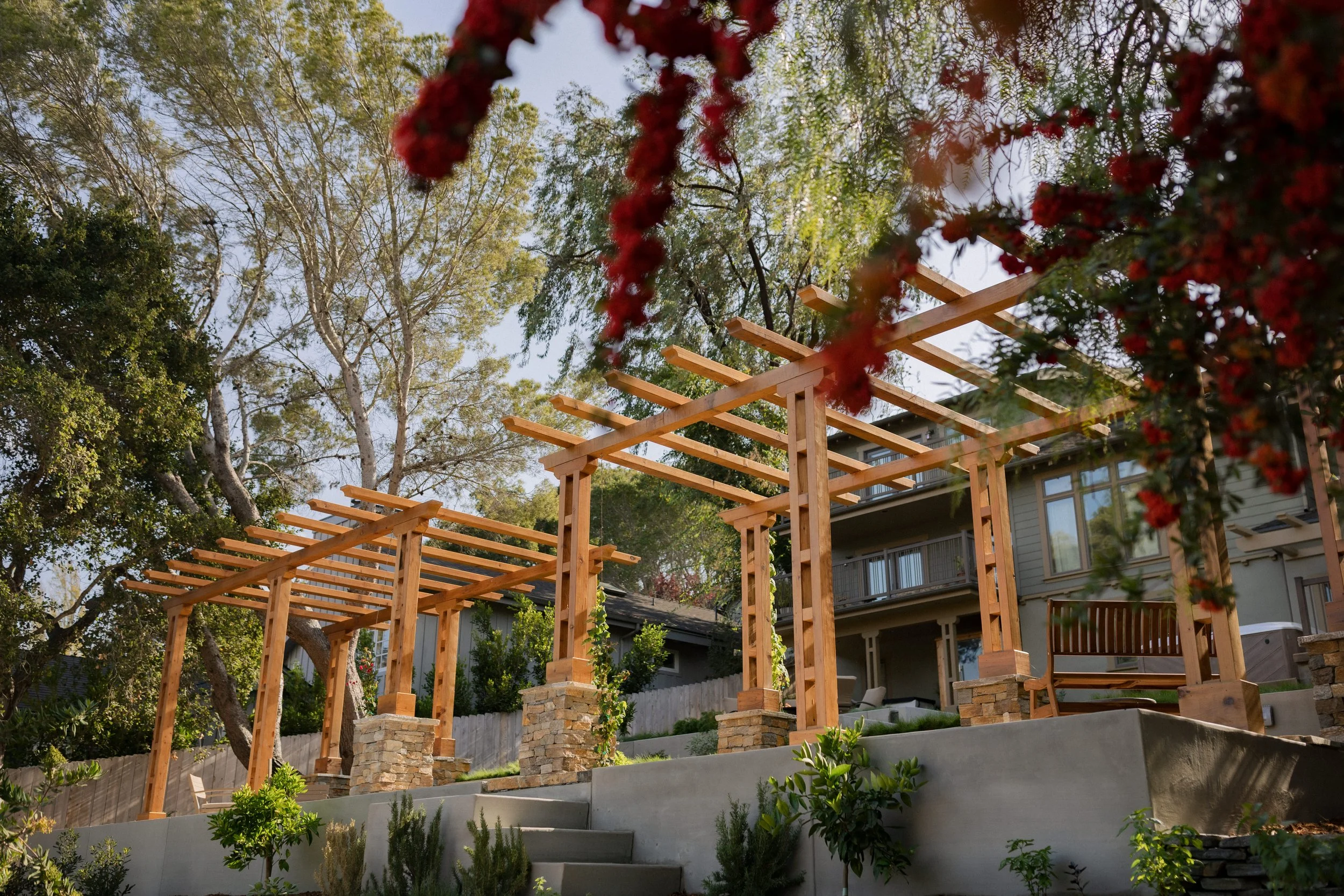
One great place to start is by planting with all four seasons in mind, what we call a garden with structure. This means that even when spring flowers have faded, interest remains, and we plan for that interest to continue. This takes practice and good knowledge of local, viable plant material, of course, but starting with the structure first will ensure the garden serves visitors year-round. Here are some things to practice:
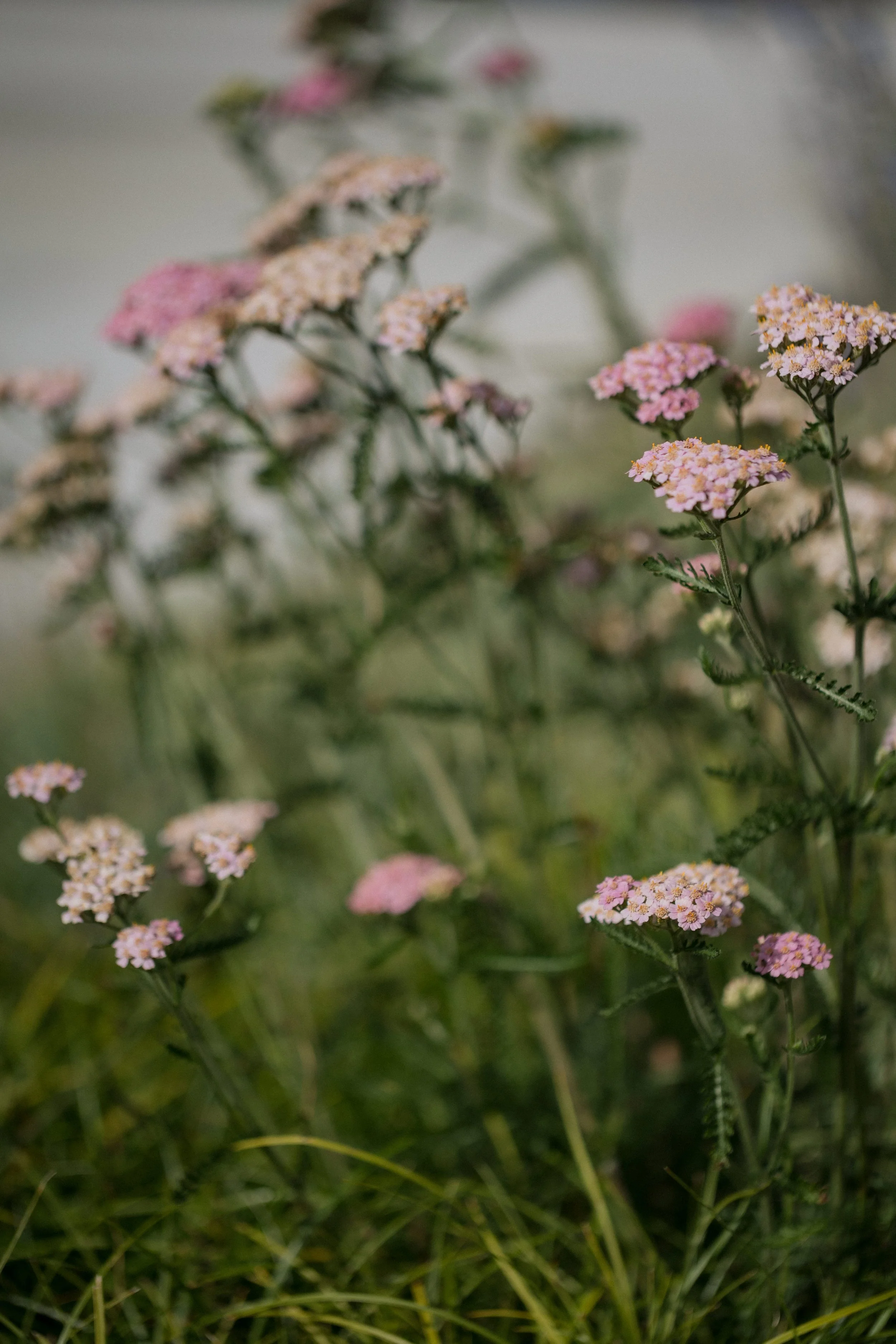
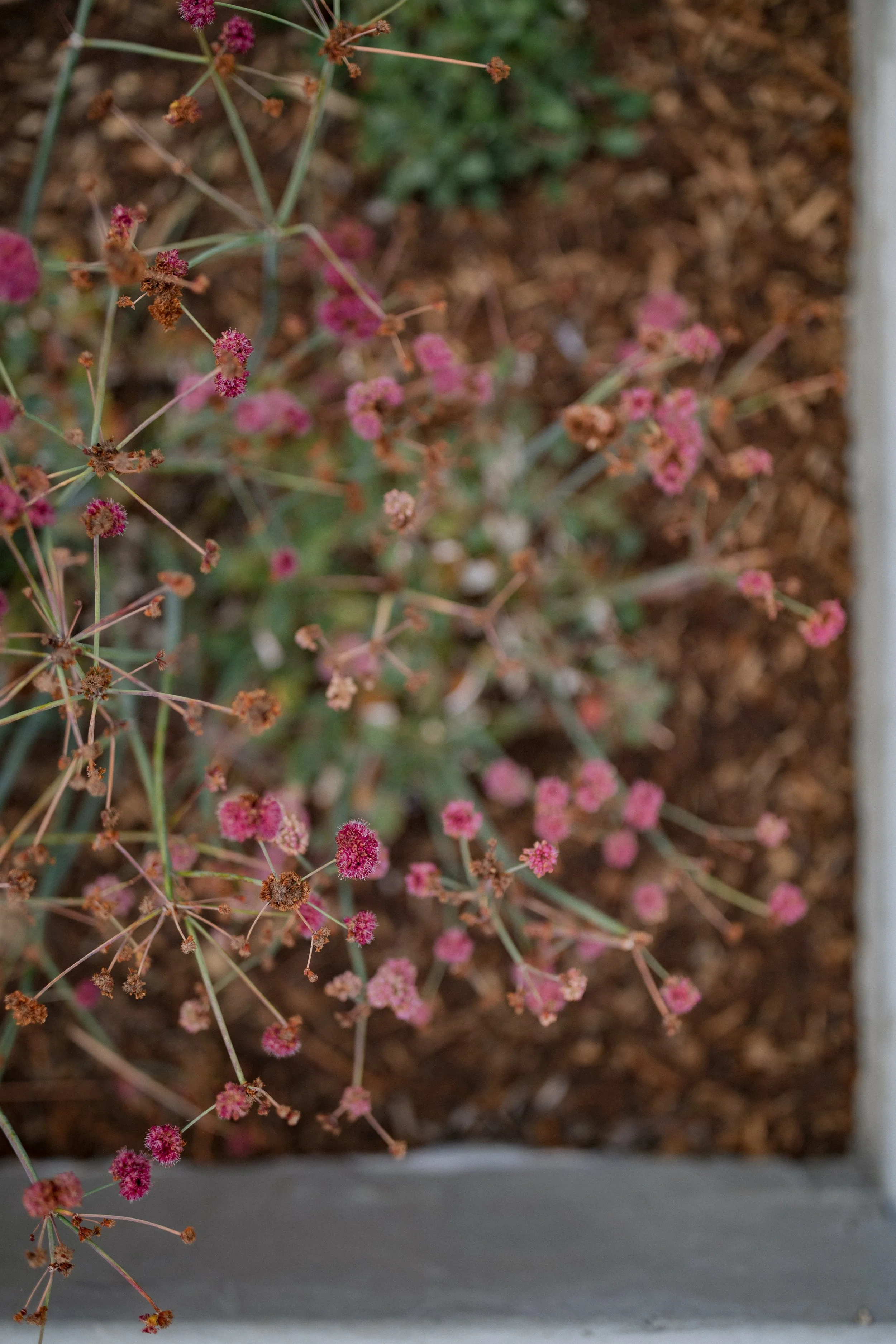
Understanding what blooms when: early spring and late spring can be quite different; late summer and early fall the same. Noticing that certain plants (depending on their origin) show off at different times for different reasons creates opportunities when selecting plant varieties for the final design. A good example is Lagerstroemia indica, also known as crepe myrtle; this mid- to late-summer-blooming tree can have a spectacular show of flowers when most other spring flowers have already left the garden. Take time to notice when you see something you like in bloom, and note what part of the year it is in.
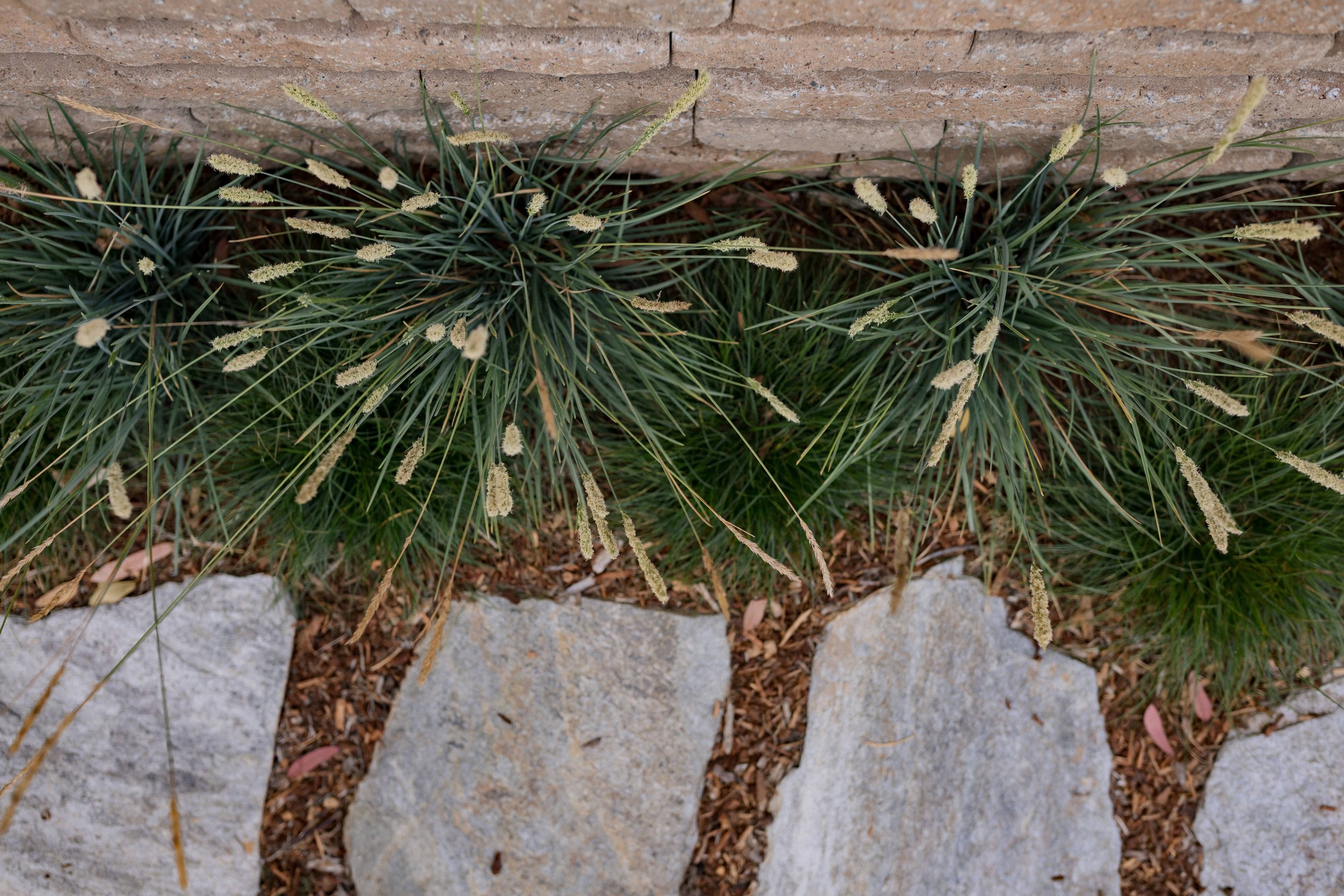
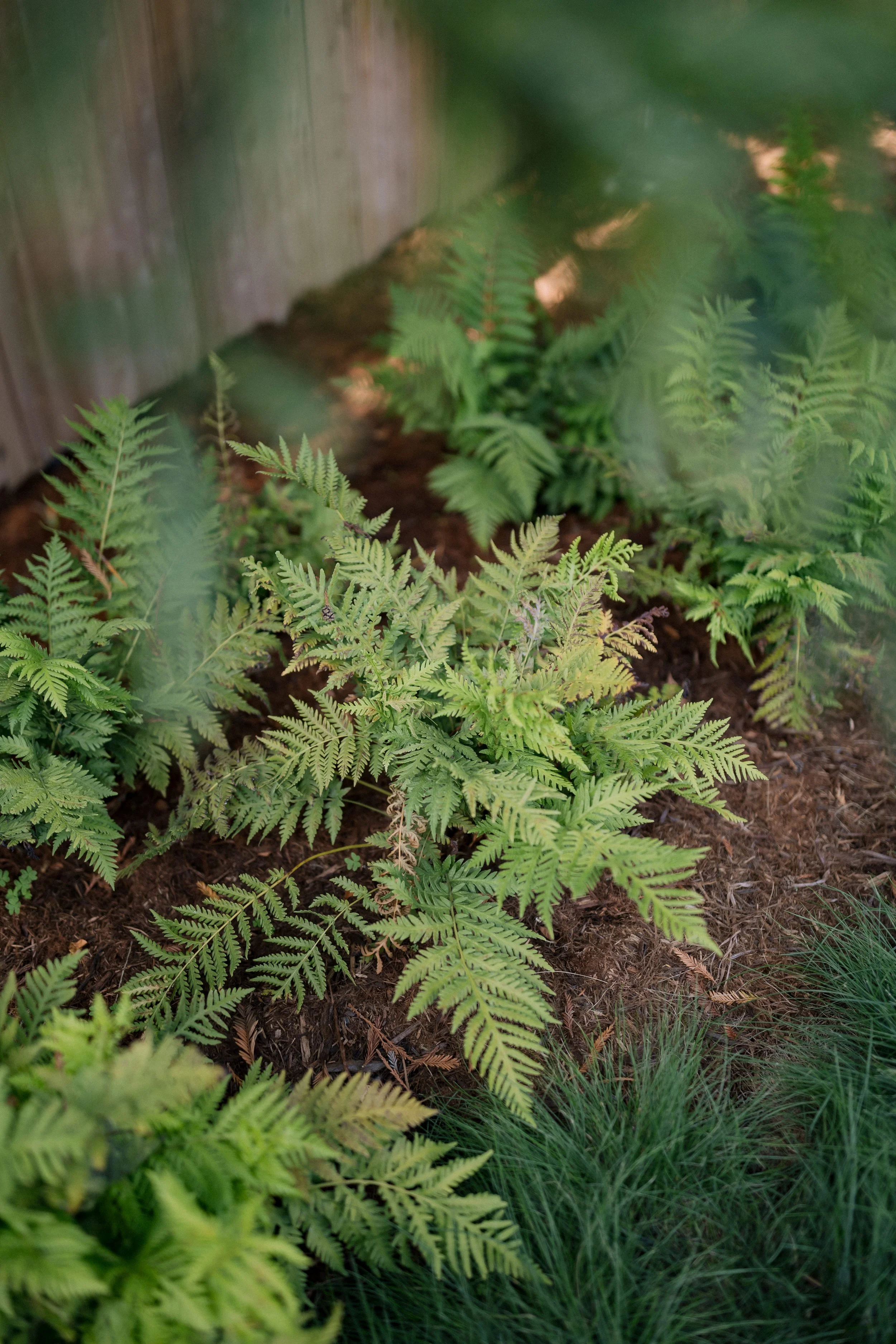
Plant for texture first, flowers second: I like to think of texture in the garden and visual noise. But we typically spend more time with a plant's foliage than its flowers. So when selecting a hedge or series of small shrubs, ask yourself: do I like this when it is not in bloom, and can I contrast it with other foliage/textures to provide visual strength and variety? Once you start seeing plants as foliage first, the flowers become a character in the story, not the main character. One plant genus grown almost exclusively for its foliage and texture is Acacia. From cool geometric blues to sharp, fine greens, this genus includes several medium- to large shrubs that can really add diversity to a garden's overall texture and character.
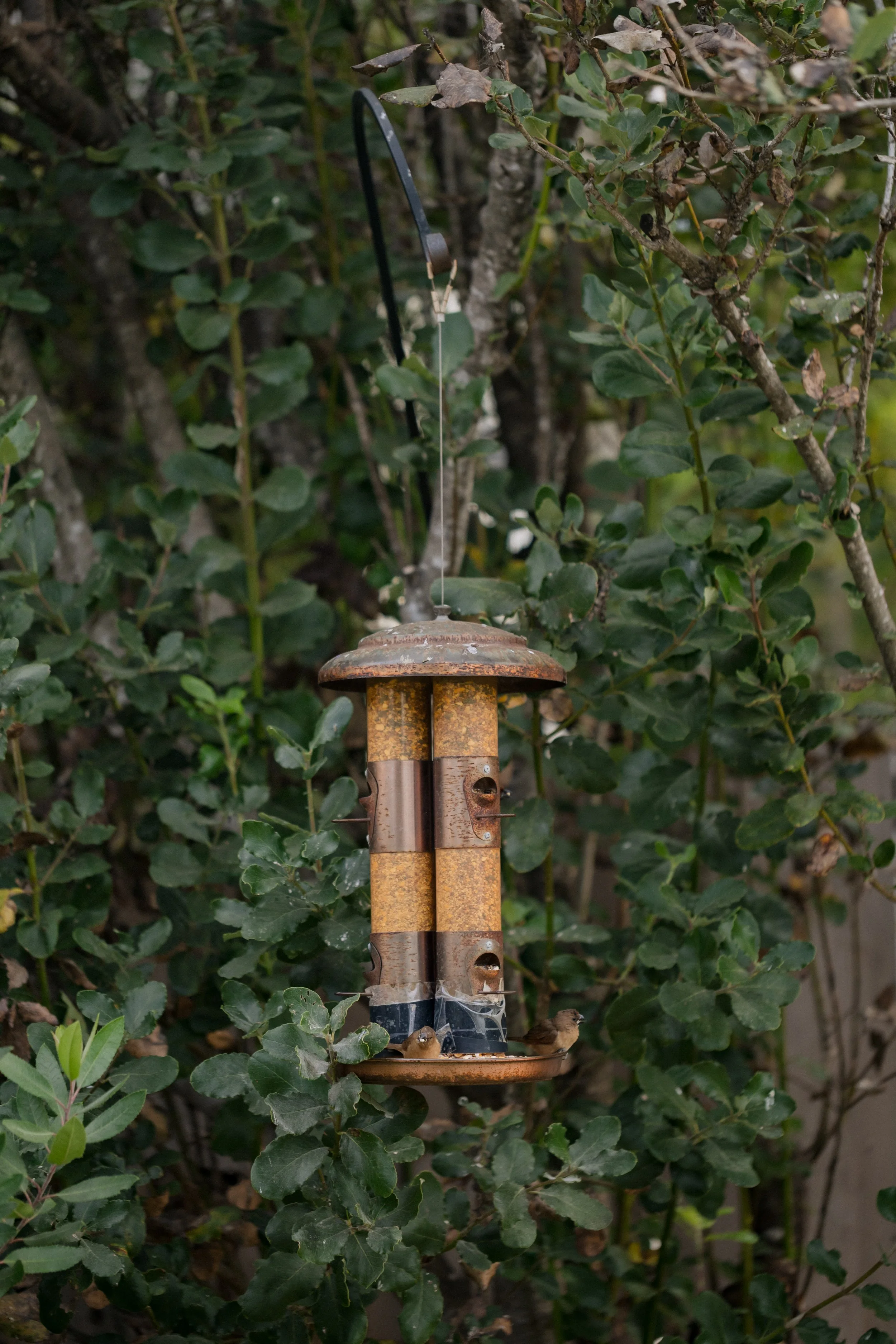
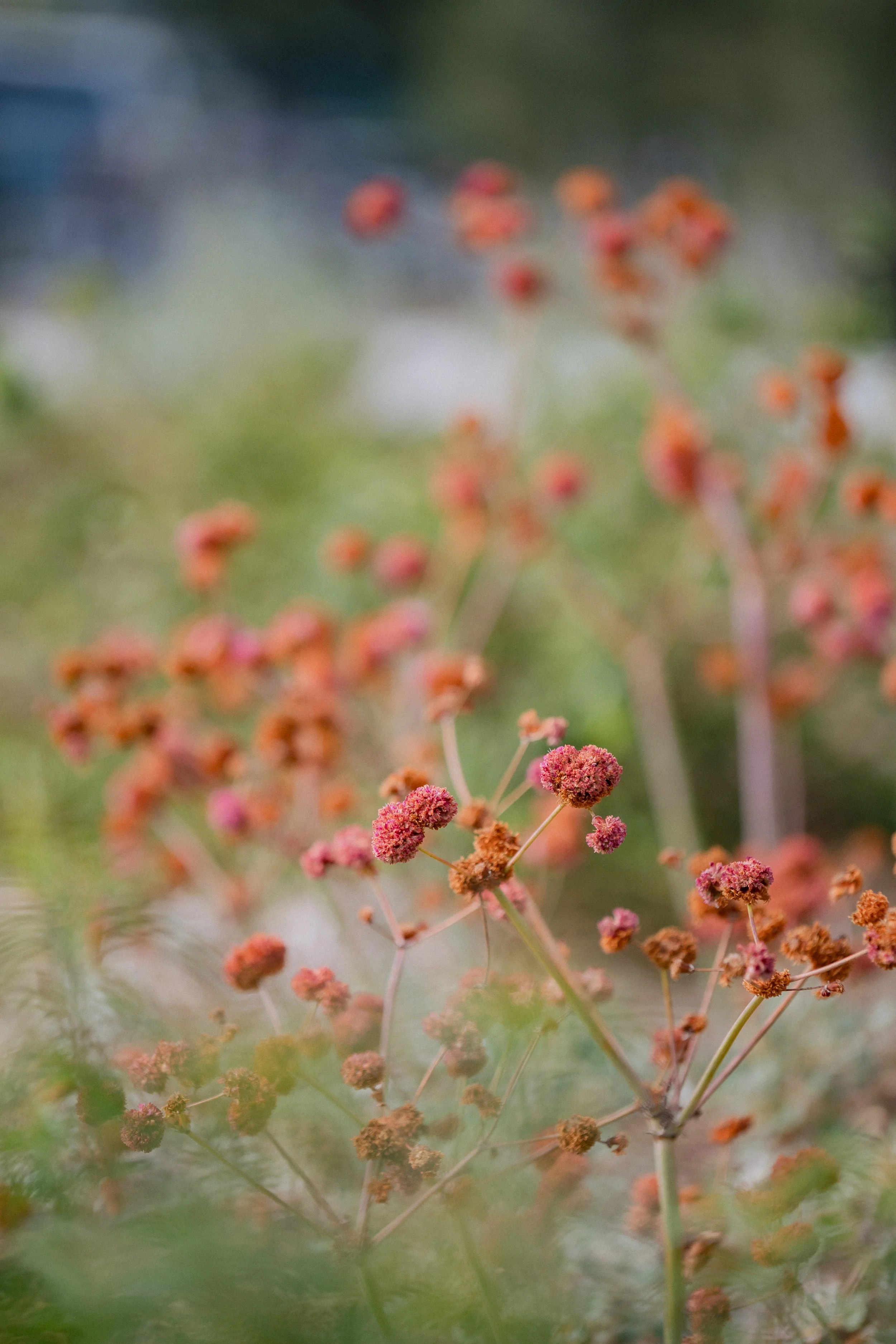
Plant with change in mind: a garden planned only to look good during peak seasons misses opportunities during dormancy or transition. When a deciduous tree begins shedding its leaves, the color and seed pods can be an amazing show. When a sage is done blooming, the dry stalks provide many moments for birds to feast as the sun begins to lower in the sky. Fall and winter in a garden can be a time for reflection as we wait for the promise of spring. The leaves, seeds, and change are all part of nature's beauty. A good example is Toyon (Heteromeles arbutifolia), commonly called Xmas berry because of the bright fruit it produces in December. Another plant that shows off during the winter is Sangu Kaku Japanese Maple, also known as coral bark. Its warm yellow and orange branches hold the eye long after it sheds all its leaves. You can design these attributes the same way you would a large amount of lavender in spring, using them as rows or backdrops in a larger setting during the slower months.
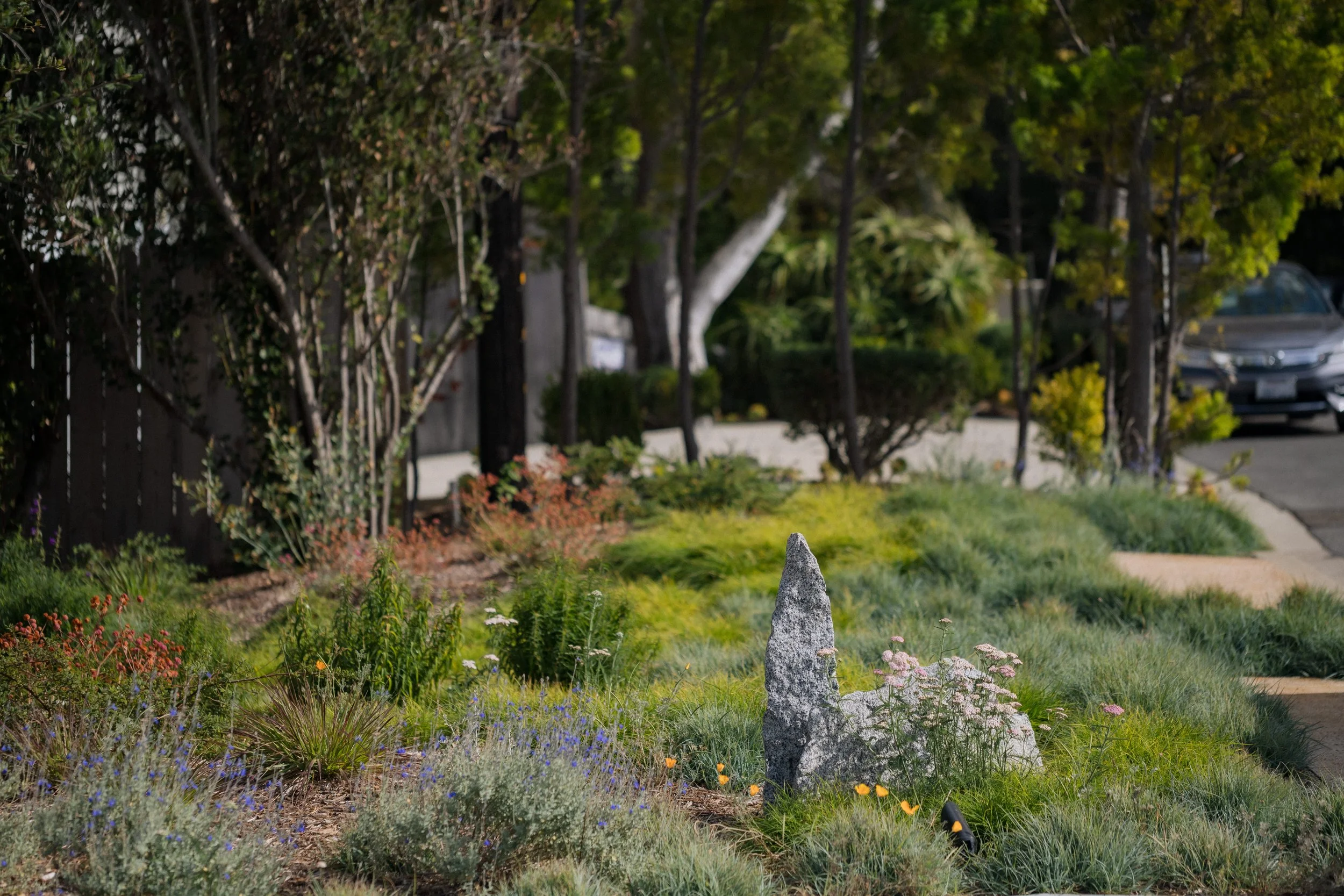
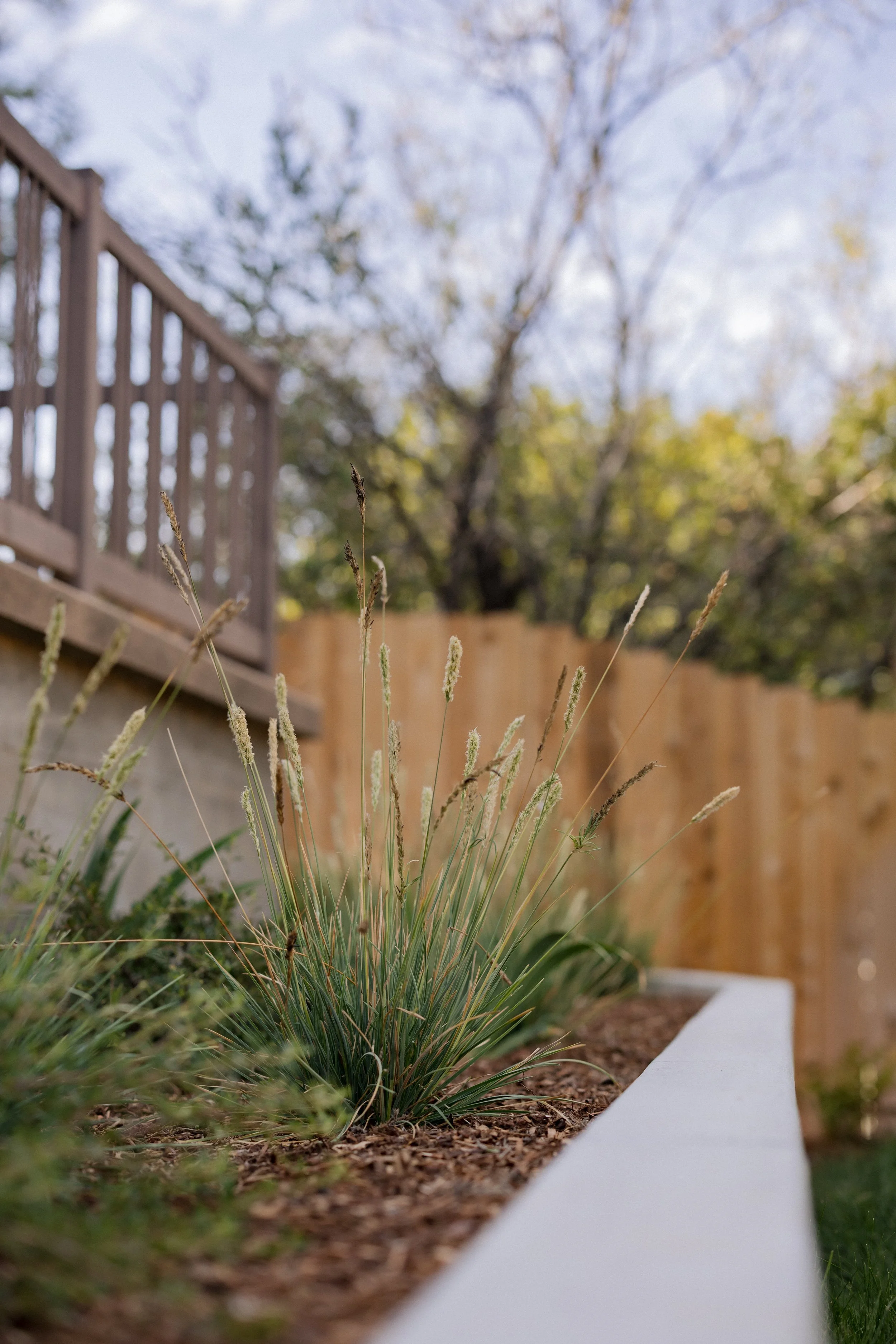
Play with contrast and repetition: Contrast in the garden can come from color, texture, or both, and it adds visual interest. Repetition, on the other hand, keeps the garden from feeling like a tangent without its own identity. A few plants that give the eye pause and create contrast are like using the horse in chess; while it may feel weird at first, it can do what no other piece can and therefore serves a specific purpose in shaping the visual landscape in a good way. Repetition, on the other hand, soothes; it plays on our desire for uniformity and order, and it can also be achieved through color and texture, even if the plant species are different. For example, using a fine chartreuse grass in one part of the design might transition to a fine-leaved chartreuse shrub later in the design. The conscious mind might not even notice, and that's okay because it's not meant to be loud, but rather a subtle play of senses that the landscape we are in is reiterating itself. On the flip side, a plant like Euphorbia wulfenii can make our eyes pause and soak in the large, conical green flower heads that appear, or its rosette and spiraling blue/green foliage, bold and unlike its surroundings.
A garden is many things, but it should not be boring; we design gardens to connect people with the natural world, but a realistic garden laughs at itself, knowing it is neither entirely natural nor artificial. It is a human-made space where we live our lives and reflect on what nature is and how we are part of it. To shape and change things is natural to us as humans, so the goal is to create a garden that defies not death, but indifference. Beautiful things that inspire us and keep rekindling our deeper, best selves.